

Once the continuous enrollment ends, it is estimated between 5 -14 million individuals will be affected
Related Posts
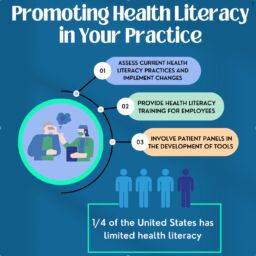
Promoting Health Literacy in Your Practice
Around one fourth of the United States population does not have adequate health literacy.
Health literacy is defined as the ability to obtain, read, understand, and apply healthcare
information

Inflation Reduction Act, Health Equity at Forefront of Federal Policy Action Amid Midterms
Recent federal legislative and regulatory updates in managed care pharmacy have prioritized topics ranging from expedited access to novel therapeutics to the health disparities and equity concerns affecting patient populations nationwide, but progress on these developments will depend on the impact of the midterm elections

Enabling a Realistic Adoption to DSCSA Compliance
NABP Associate Executive Director Josh Bolin on DSCSA compliance prior to FDA moving compliance deadline.
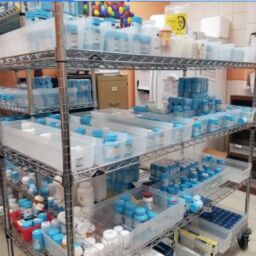
Does access to free medication reduce health system costs?
This study represents a rigorous, multi-state evaluation that highlights the impact of a charitable medication access program on hospital utilization for the medically under-served population.
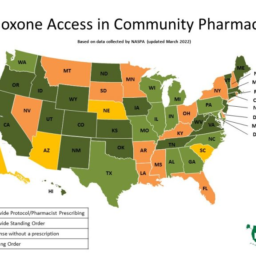
The Opioid Crisis and Naloxone Pharmacy Access
In 2011, the opioid crisis reached astounding levels with over 21,000 deaths adding to the urgency of providing aid to those who most need it
TAKING ON THE OPIOID OVERDOSE EPIDEMIC IN NEW JERSEY
Three Healthcare Organizations Join Forces to Save Lives

Public Health Detailing and COVID-19 Vaccines in NYC
Using Public Health Detailing to Increase Access and Confidence in COVID-19 Vaccines and Reinvest in Disproportionately Impacted NYC Communities Go…
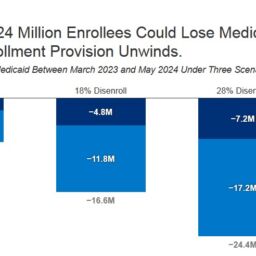
How Many People Might Lose Medicaid?
How Many People Might Lose Medicaid When States Unwind Continuous Enrollment?
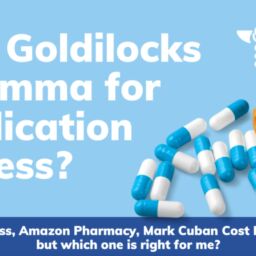
The Goldilocks Dilemma for Medication Access
There are multiple factors that will impact an individual patient’s choice on how to go about getting their prescription medication. It can be overwhelming to navigate this complex issue.

Charitable Pharmacies: What They Are and How They Help People Access Medications
How is a charitable pharmacy different from other types of pharmacies?
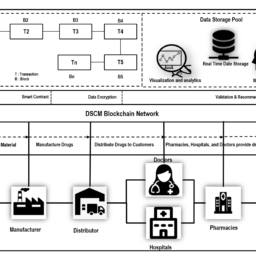
APhA lauds FDA’s delay of the Nov ’23 “Track & Trace”
FDA approves 1 Year delay of Track & Trace requirements
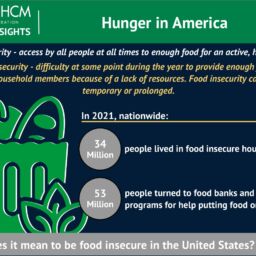
Hunger in America
More than 34 million people in the United States were living in food insecure households in 2021, a decline from 38 million in 2020. The combination of the expanded child tax credit, Supplemental Nutrition Assistance Program benefits, and private donations all contributed to reducing food insecurity during the pandemic. Still there is much more work to be done, with food costs spiking 11.4%, the largest annual increase since 1979, inflation factors could easily cause food insecurity to grow.

5 states broaden reimbursement for pharmacists
The five most recent states to expand the scope of reimbursement for pharmacists are Maryland, Missouri, North Dakota, Virginia and Wyoming
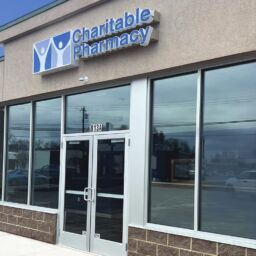
Milford SVdP Pharmacy Grand Opening
One in four Americans say they struggle to afford their prescription medications. The establishment of this Charitable Pharmacy in Milford will allow patients who live east of Cincinnati better access to care.

Tailored Pharmacy-Based Interventions and their Benefits
Medication non-adherence has led to at least 100,000 preventable deaths each year and $100 billion annually in preventable healthcare costs in the United States