There are multiple factors that will impact an individual patient’s choice on how to go about getting their prescription medication. It can be overwhelming to navigate this complex issue.
The Outcomes of Implementing and Integrating Comprehensive Medication Management in Team-Based Care: A Review of the Evidence on Quality, Access and Costs, December 2023
Recent federal legislative and regulatory updates in managed care pharmacy have prioritized topics ranging from expedited access to novel therapeutics to the health disparities and equity concerns affecting patient populations nationwide, but progress on these developments will depend on the impact of the midterm elections
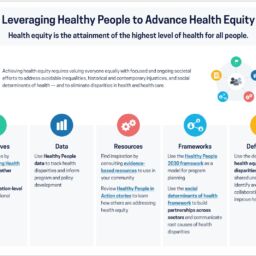
Healthy People 2030 Leveraging Healthy People to Advance Health Equity Health equity is the attainment of the highest level of health for all people. “Eliminate health disparities, achieve health equity, and attain health literacy to improve the health and well-being of all.”
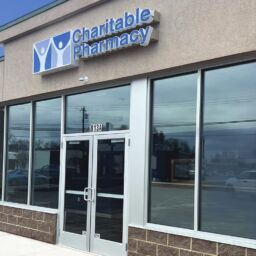
One in four Americans say they struggle to afford their prescription medications. The establishment of this Charitable Pharmacy in Milford will allow patients who live east of Cincinnati better access to care.
NOVA ScriptsCentral is excited to collaborate with the American Pharmacist Association to launch the “NOVA ScriptsCentral & American Pharmacist Association Safety-Net Health Equity Fellowship”.