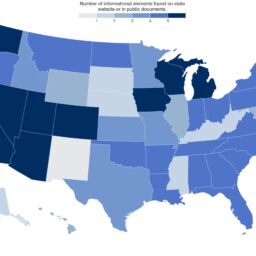
Expanded reimbursement for pharmacist services is something industry professionals and organizations have long advocated for. Since 2023, several states have passed legislation broadening the scope for such.
Significant improvement in glycemic control among participants demonstrates the substantial impact that pharmacies partnered with charitable medication distributors such as the Dispensary of Hope can have on individuals with insulin-treated T2D
The Outcomes of Implementing and Integrating Comprehensive Medication Management in Team-Based Care: A Review of the Evidence on Quality, Access and Costs, December 2023
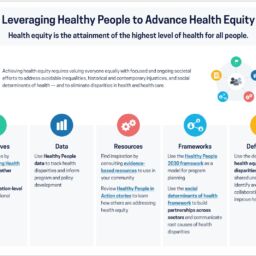
Healthy People 2030 Leveraging Healthy People to Advance Health Equity Health equity is the attainment of the highest level of health for all people. “Eliminate health disparities, achieve health equity, and attain health literacy to improve the health and well-being of all.”
This study represents a rigorous, multi-state evaluation that highlights the impact of a charitable medication access program on hospital utilization for the medically under-served population.
Medication non-adherence has led to at least 100,000 preventable deaths each year and $100 billion annually in preventable healthcare costs in the United States
Recent federal legislative and regulatory updates in managed care pharmacy have prioritized topics ranging from expedited access to novel therapeutics to the health disparities and equity concerns affecting patient populations nationwide, but progress on these developments will depend on the impact of the midterm elections