This toolkit, comprised of fact sheets, worksheets, sample communications materials, and sample social media is designed to help aid how you support your own mental health journey, along with your community’s.
FDA approves 1 Year delay of Track & Trace requirements
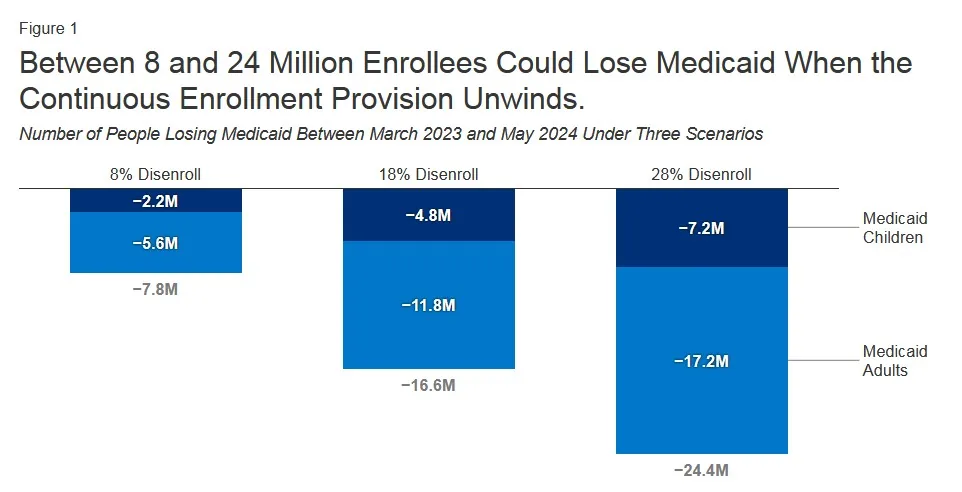
We estimate that if the PHE expires in April 2023, 18.0 million people will lose Medicaid coverage in the following…
How Many People Might Lose Medicaid When States Unwind Continuous Enrollment?
An opportunity for charitable pharmacies to collaborate with oncology practices for non-oncology medications during and after treatment.
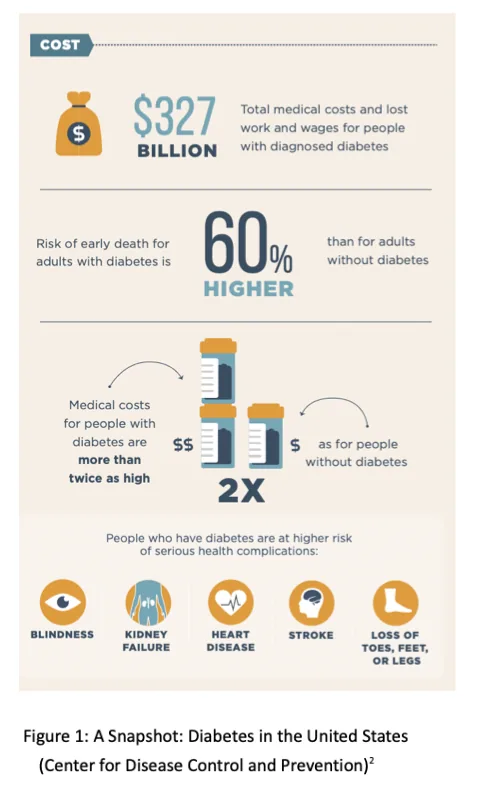
Significant improvement in glycemic control among participants demonstrates the substantial impact that pharmacies partnered with charitable medication distributors such as the Dispensary of Hope can have on individuals with insulin-treated T2D
Federal/state grants are not the only gateways to funding. There are close to 750 “community foundations” nationwide which are public charities dedicated to improving the lives of people in a defined local geographic area.
In 2011, the opioid crisis reached astounding levels with over 21,000 deaths adding to the urgency of providing aid to those who most need it
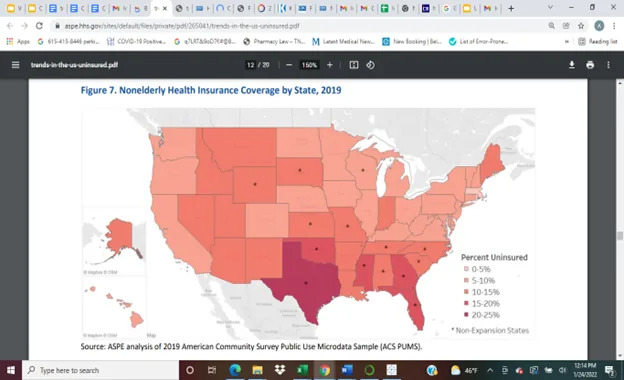
Uninsured adults and those in worse health continue to report higher rates of not getting care due to costs
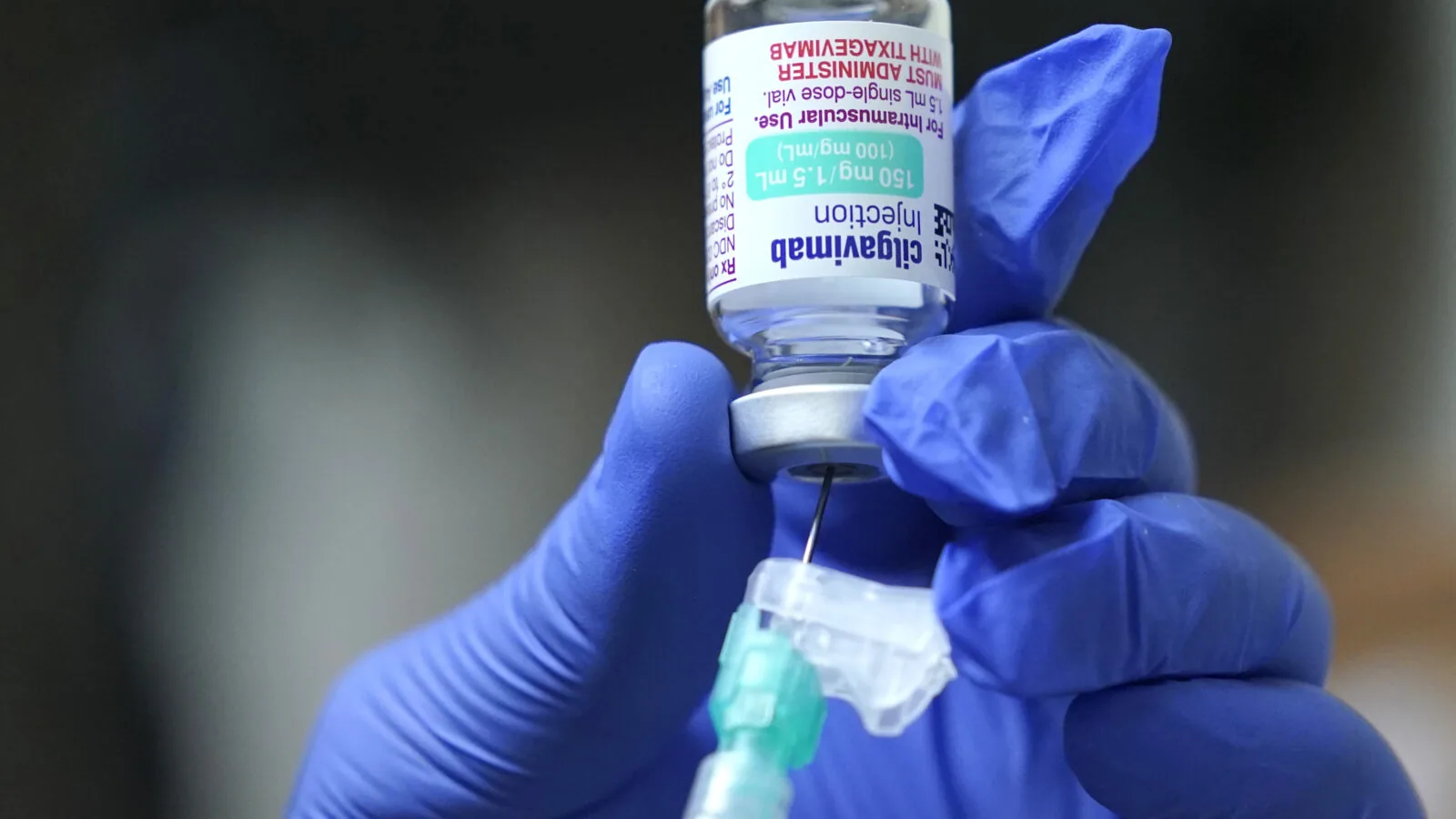
How a ‘weighted lottery’ helped underserved patients get a scarce Covid drug
Recent federal legislative and regulatory updates in managed care pharmacy have prioritized topics ranging from expedited access to novel therapeutics to the health disparities and equity concerns affecting patient populations nationwide, but progress on these developments will depend on the impact of the midterm elections
An opportunity for charitable pharmacies to collaborate with oncology practices for non-oncology medications during and after treatment.
Good Pill will provide direct access to hundreds of life-saving medications and save families $150+/month on healthcare cost
More than 34 million people in the United States were living in food insecure households in 2021, a decline from 38 million in 2020. The combination of the expanded child tax credit, Supplemental Nutrition Assistance Program benefits, and private donations all contributed to reducing food insecurity during the pandemic. Still there is much more work to be done, with food costs spiking 11.4%, the largest annual increase since 1979, inflation factors could easily cause food insecurity to grow.