Starting Sept. 25, Americans can again order free COVID-19 tests through the federal government.
‘Unbelievably good price’: KC-area pharmacy dispenses bargain medicine — and hope Go to article
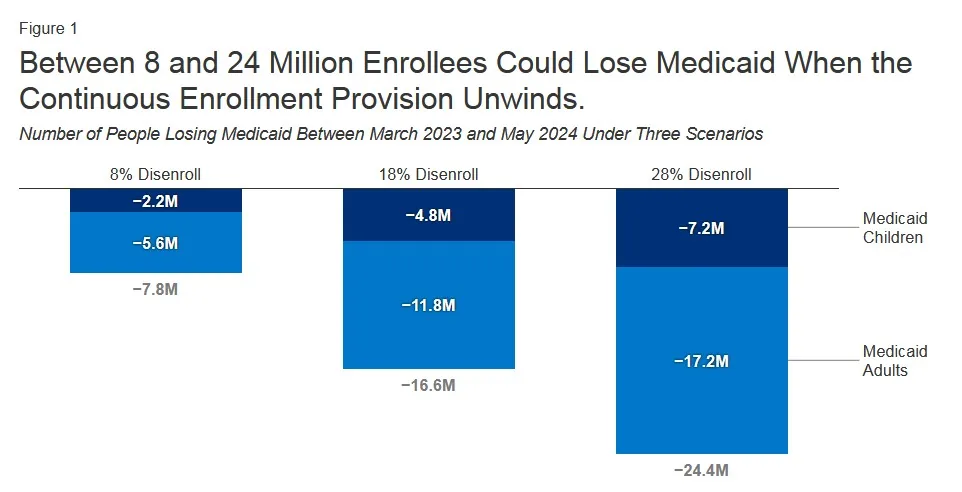
We estimate that if the PHE expires in April 2023, 18.0 million people will lose Medicaid coverage in the following…
There are multiple factors that will impact an individual patient’s choice on how to go about getting their prescription medication. It can be overwhelming to navigate this complex issue.
Charitable Pharmacies of America organization member receives Health Equity grant
Medication non-adherence has led to at least 100,000 preventable deaths each year and $100 billion annually in preventable healthcare costs in the United States
Want to learn more about Free and Charitable Clinics, Charitable Pharmacies and the medically underserved?
This study represents a rigorous, multi-state evaluation that highlights the impact of a charitable medication access program on hospital utilization for the medically under-served population.
An opportunity for charitable pharmacies to collaborate with oncology practices for non-oncology medications during and after treatment.
Today’s release of new 2020 Census data provides population counts of nearly 1,500 race and ethnicity groups and American Indian and Alaska Native (AIAN) tribes and villages.
This toolkit, comprised of fact sheets, worksheets, sample communications materials, and sample social media is designed to help aid how you support your own mental health journey, along with your community’s.
How is a charitable pharmacy different from other types of pharmacies?
FDA approves 1 Year delay of Track & Trace requirements
Recent federal legislative and regulatory updates in managed care pharmacy have prioritized topics ranging from expedited access to novel therapeutics to the health disparities and equity concerns affecting patient populations nationwide, but progress on these developments will depend on the impact of the midterm elections
More than 34 million people in the United States were living in food insecure households in 2021, a decline from 38 million in 2020. The combination of the expanded child tax credit, Supplemental Nutrition Assistance Program benefits, and private donations all contributed to reducing food insecurity during the pandemic. Still there is much more work to be done, with food costs spiking 11.4%, the largest annual increase since 1979, inflation factors could easily cause food insecurity to grow.