

Charitable Pharmacies of America organization member receives Health Equity grant
Related Posts

Charitable Medication Distribution Improves Care for Uninsured Diabetic Patients
Significant improvement in glycemic control among participants demonstrates the substantial impact that pharmacies partnered with charitable medication distributors such as the Dispensary of Hope can have on individuals with insulin-treated T2D
First of its Kind Charitable Pharmacy Opens in Branson, MO
Branson MO: My Neighbor’s Charitable Pharmacy (NCP) will open its doors at 1232 Branson Hills Parkway February of 2023
Impact of changes in Medicaid related to COVID
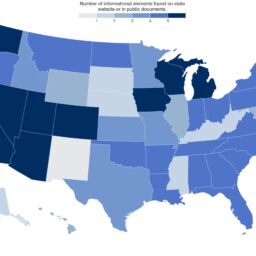
We estimate that if the PHE expires in April 2023, 18.0 million people will lose Medicaid coverage in the following…

Health Equity vs Health Disparity
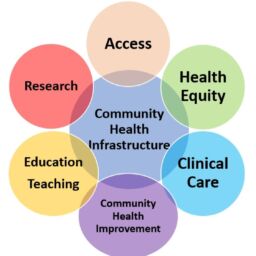
An opportunity for charitable pharmacies to collaborate with oncology practices for non-oncology medications during and after treatment.

Enabling a Realistic Adoption to DSCSA Compliance
NABP Associate Executive Director Josh Bolin on DSCSA compliance prior to FDA moving compliance deadline.

More free US COVID-19 tests, $600M production boost
Starting Sept. 25, Americans can again order free COVID-19 tests through the federal government.
Promoting Health Literacy in Your Practice
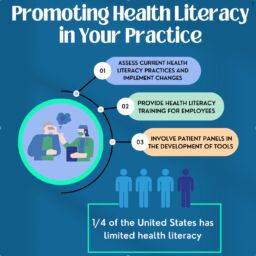
Around one fourth of the United States population does not have adequate health literacy.
Health literacy is defined as the ability to obtain, read, understand, and apply healthcare
information
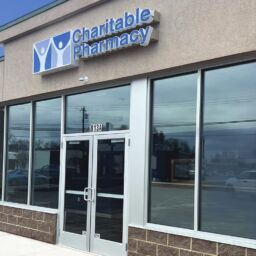
Milford SVdP Pharmacy Grand Opening
One in four Americans say they struggle to afford their prescription medications. The establishment of this Charitable Pharmacy in Milford will allow patients who live east of Cincinnati better access to care.
The Importance of Patient Advocacy
Charitable Pharmacies of America organization member receives Health Equity grant
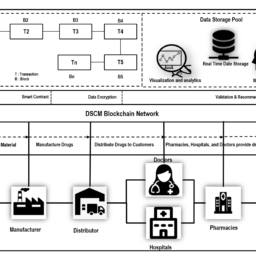
APhA lauds FDA’s delay of the Nov ’23 “Track & Trace”
FDA approves 1 Year delay of Track & Trace requirements

End of the Public Health Emergency Factsheet
Charitable Pharmacies of America organization member receives Health Equity grant
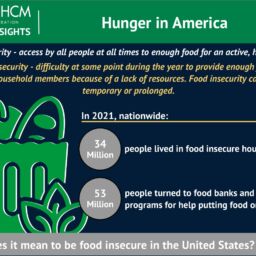
Hunger in America
More than 34 million people in the United States were living in food insecure households in 2021, a decline from 38 million in 2020. The combination of the expanded child tax credit, Supplemental Nutrition Assistance Program benefits, and private donations all contributed to reducing food insecurity during the pandemic. Still there is much more work to be done, with food costs spiking 11.4%, the largest annual increase since 1979, inflation factors could easily cause food insecurity to grow.

Medicaid Unwinding:
Implications for Patients
Implications for Patients
Once the continuous enrollment ends, it is estimated between 5 -14 million individuals will be affected

Tailored Pharmacy-Based Interventions and their Benefits
Medication non-adherence has led to at least 100,000 preventable deaths each year and $100 billion annually in preventable healthcare costs in the United States