Federal/state grants are not the only gateways to funding. There are close to 750 “community foundations” nationwide which are public charities dedicated to improving the lives of people in a defined local geographic area.
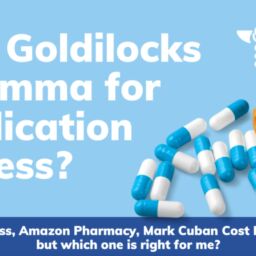
There are multiple factors that will impact an individual patient’s choice on how to go about getting their prescription medication. It can be overwhelming to navigate this complex issue.
The Outcomes of Implementing and Integrating Comprehensive Medication Management in Team-Based Care: A Review of the Evidence on Quality, Access and Costs, December 2023
Today’s release of new 2020 Census data provides population counts of nearly 1,500 race and ethnicity groups and American Indian and Alaska Native (AIAN) tribes and villages.
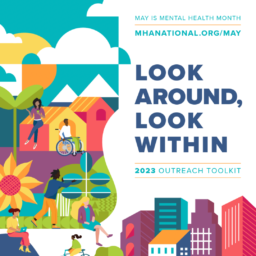
This toolkit, comprised of fact sheets, worksheets, sample communications materials, and sample social media is designed to help aid how you support your own mental health journey, along with your community’s.
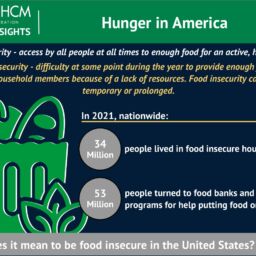
More than 34 million people in the United States were living in food insecure households in 2021, a decline from 38 million in 2020. The combination of the expanded child tax credit, Supplemental Nutrition Assistance Program benefits, and private donations all contributed to reducing food insecurity during the pandemic. Still there is much more work to be done, with food costs spiking 11.4%, the largest annual increase since 1979, inflation factors could easily cause food insecurity to grow.