Notice: Access to toolkit requires giving your email address. Can opt out at any time.
NOVA ScriptsCentral is excited to collaborate with the American Pharmacist Association to launch the “NOVA ScriptsCentral & American Pharmacist Association Safety-Net Health Equity Fellowship”.
The pharmacy industry sees at least five changes
We estimate that if the PHE expires in April 2023, 18.0 million people will lose Medicaid coverage in the following…
Charitable Pharmacies of America organization member receives Health Equity grant
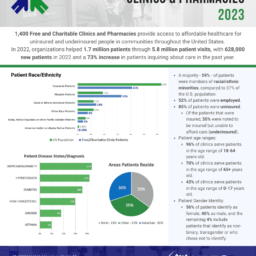
Want to learn more about Free and Charitable Clinics, Charitable Pharmacies and the medically underserved?
This study represents a rigorous, multi-state evaluation that highlights the impact of a charitable medication access program on hospital utilization for the medically under-served population.
St. Vincent de Paul Charitable Pharmacy offers article regarding impact of a charitable pharmacy on their community and patients
One in four Americans say they struggle to afford their prescription medications. The establishment of this Charitable Pharmacy in Milford will allow patients who live east of Cincinnati better access to care.
APPLICATIONS ARE OPEN! – Letters of Intent due 9/15/23
Branson MO: My Neighbor’s Charitable Pharmacy (NCP) will open its doors at 1232 Branson Hills Parkway February of 2023
The Outcomes of Implementing and Integrating Comprehensive Medication Management in Team-Based Care: A Review of the Evidence on Quality, Access and Costs, December 2023
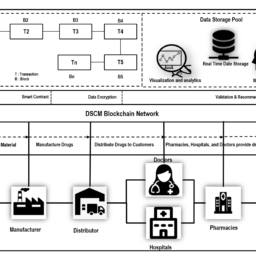
NABP Associate Executive Director Josh Bolin on DSCSA compliance prior to FDA moving compliance deadline.
FDA approves 1 Year delay of Track & Trace requirements
Three Healthcare Organizations Join Forces to Save Lives
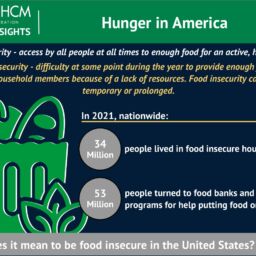
More than 34 million people in the United States were living in food insecure households in 2021, a decline from 38 million in 2020. The combination of the expanded child tax credit, Supplemental Nutrition Assistance Program benefits, and private donations all contributed to reducing food insecurity during the pandemic. Still there is much more work to be done, with food costs spiking 11.4%, the largest annual increase since 1979, inflation factors could easily cause food insecurity to grow.