

Charitable Pharmacies of America organization member receives Health Equity grant
Related Posts
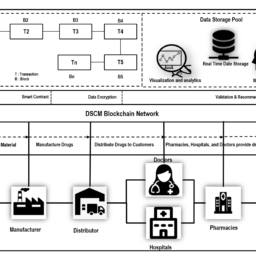
APhA lauds FDA’s delay of the Nov ’23 “Track & Trace”
FDA approves 1 Year delay of Track & Trace requirements
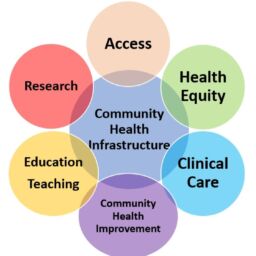
Health Equity vs Health Disparity
An opportunity for charitable pharmacies to collaborate with oncology practices for non-oncology medications during and after treatment.

Medicaid Unwinding:
Implications for Patients
Implications for Patients
Once the continuous enrollment ends, it is estimated between 5 -14 million individuals will be affected

TAKING ON THE OPIOID OVERDOSE EPIDEMIC IN NEW JERSEY
Three Healthcare Organizations Join Forces to Save Lives
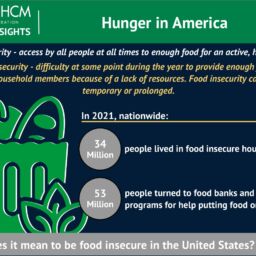
Hunger in America
More than 34 million people in the United States were living in food insecure households in 2021, a decline from 38 million in 2020. The combination of the expanded child tax credit, Supplemental Nutrition Assistance Program benefits, and private donations all contributed to reducing food insecurity during the pandemic. Still there is much more work to be done, with food costs spiking 11.4%, the largest annual increase since 1979, inflation factors could easily cause food insecurity to grow.

More free US COVID-19 tests, $600M production boost
Starting Sept. 25, Americans can again order free COVID-19 tests through the federal government.

How does cost affect access to healthcare?
Uninsured adults and those in worse health continue to report higher rates of not getting care due to costs
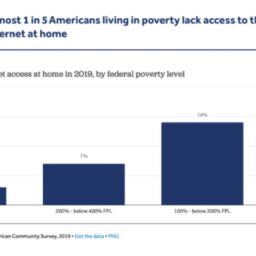
Digital Divide: Patient & Provider Perspective
The term digital divide is defined as the differences
of economic and social inequality in both access and usage of ICTs. 2, 3 Some population groups that are
affected by the digital divide include uninsured, at or below 300% of the Federal Poverty Level (FPL), lack
of internet access, etc

Enabling a Realistic Adoption to DSCSA Compliance
NABP Associate Executive Director Josh Bolin on DSCSA compliance prior to FDA moving compliance deadline.

Equity in Access: Research Grants
APPLICATIONS ARE OPEN! – Letters of Intent due 9/15/23

Tailored Pharmacy-Based Interventions and their Benefits
Medication non-adherence has led to at least 100,000 preventable deaths each year and $100 billion annually in preventable healthcare costs in the United States

Potential Funding Opportunities in Your State
Federal/state grants are not the only gateways to funding. There are close to 750 “community foundations” nationwide which are public charities dedicated to improving the lives of people in a defined local geographic area.
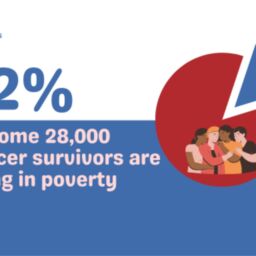
Cost of cancer treatment can impact health of survivors
An opportunity for charitable pharmacies to collaborate with oncology practices for non-oncology medications during and after treatment.

Updates You May Have Missed: 2020 Census Results
Today’s release of new 2020 Census data provides population counts of nearly 1,500 race and ethnicity groups and American Indian and Alaska Native (AIAN) tribes and villages.
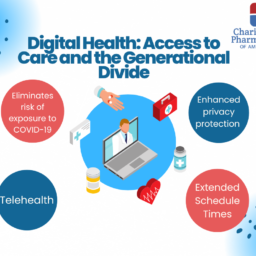
Digital Health: Access to Care and the Generational Divide
Just as banks have helped seniors bridge the digital divide and leverage online banking to better manage their money, healthcare organizations need to help older adults leverage digital technology to better manage their health.