Podcast on Patients Rise presented by Charitable Pharmacies of America member, Dr. Hillary Blackburn, discussing impact of medication access on a community and health system, as well as patients.
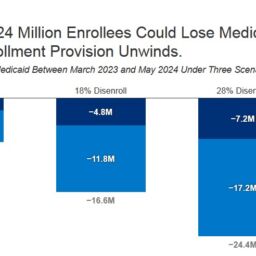
Once the continuous enrollment ends, it is estimated between 5 -14 million individuals will be affected
Uninsured adults and those in worse health continue to report higher rates of not getting care due to costs
Charitable Pharmacies of America organization member receives Health Equity grant
How Many People Might Lose Medicaid When States Unwind Continuous Enrollment?
NABP Associate Executive Director Josh Bolin on DSCSA compliance prior to FDA moving compliance deadline.
A Fireside Chat with AAM Chair, Christine Baeder and Mark Cuban, Entrepreneur and Cost Plus founder
Three Healthcare Organizations Join Forces to Save Lives
The five most recent states to expand the scope of reimbursement for pharmacists are Maryland, Missouri, North Dakota, Virginia and Wyoming
Charitable Pharmacies of America organization member receives Health Equity grant
Good Pill will provide direct access to hundreds of life-saving medications and save families $150+/month on healthcare cost
How is a charitable pharmacy different from other types of pharmacies?
Federal/state grants are not the only gateways to funding. There are close to 750 “community foundations” nationwide which are public charities dedicated to improving the lives of people in a defined local geographic area.
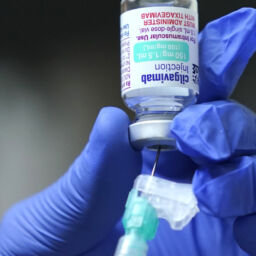
How a ‘weighted lottery’ helped underserved patients get a scarce Covid drug
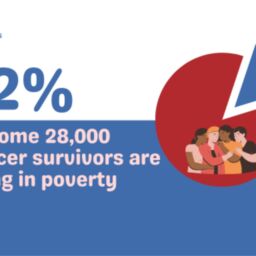
An opportunity for charitable pharmacies to collaborate with oncology practices for non-oncology medications during and after treatment.
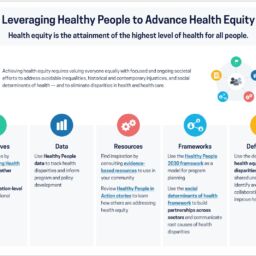
Healthy People 2030 Leveraging Healthy People to Advance Health Equity Health equity is the attainment of the highest level of health for all people. “Eliminate health disparities, achieve health equity, and attain health literacy to improve the health and well-being of all.”