Uninsured adults and those in worse health continue to report higher rates of not getting care due to costs
Starting Sept. 25, Americans can again order free COVID-19 tests through the federal government.
Recent federal legislative and regulatory updates in managed care pharmacy have prioritized topics ranging from expedited access to novel therapeutics to the health disparities and equity concerns affecting patient populations nationwide, but progress on these developments will depend on the impact of the midterm elections
Good Pill will provide direct access to hundreds of life-saving medications and save families $150+/month on healthcare cost
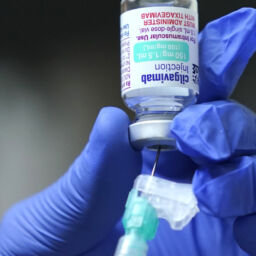
How a ‘weighted lottery’ helped underserved patients get a scarce Covid drug
This study represents a rigorous, multi-state evaluation that highlights the impact of a charitable medication access program on hospital utilization for the medically under-served population.
‘Unbelievably good price’: KC-area pharmacy dispenses bargain medicine — and hope Go to article
There are multiple factors that will impact an individual patient’s choice on how to go about getting their prescription medication. It can be overwhelming to navigate this complex issue.

Significant improvement in glycemic control among participants demonstrates the substantial impact that pharmacies partnered with charitable medication distributors such as the Dispensary of Hope can have on individuals with insulin-treated T2D
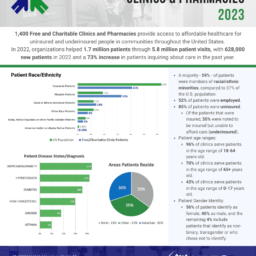
Want to learn more about Free and Charitable Clinics, Charitable Pharmacies and the medically underserved?
An opportunity for charitable pharmacies to collaborate with oncology practices for non-oncology medications during and after treatment.
One in four Americans say they struggle to afford their prescription medications. The establishment of this Charitable Pharmacy in Milford will allow patients who live east of Cincinnati better access to care.
Good Pill will provide direct access to hundreds of life-saving medications and save families $150+/month on healthcare cost
Using Public Health Detailing to Increase Access and Confidence in COVID-19 Vaccines and Reinvest in Disproportionately Impacted NYC Communities Go…
More than 34 million people in the United States were living in food insecure households in 2021, a decline from 38 million in 2020. The combination of the expanded child tax credit, Supplemental Nutrition Assistance Program benefits, and private donations all contributed to reducing food insecurity during the pandemic. Still there is much more work to be done, with food costs spiking 11.4%, the largest annual increase since 1979, inflation factors could easily cause food insecurity to grow.