

Related Posts

More free US COVID-19 tests, $600M production boost
Starting Sept. 25, Americans can again order free COVID-19 tests through the federal government.
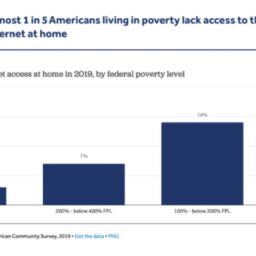
Digital Divide: Patient & Provider Perspective
The term digital divide is defined as the differences
of economic and social inequality in both access and usage of ICTs. 2, 3 Some population groups that are
affected by the digital divide include uninsured, at or below 300% of the Federal Poverty Level (FPL), lack
of internet access, etc

Weighted Lottery Fairly Allocates Scarce Drug
How a ‘weighted lottery’ helped underserved patients get a scarce Covid drug

How does cost affect access to healthcare?
Uninsured adults and those in worse health continue to report higher rates of not getting care due to costs
The Importance of Patient Advocacy
Charitable Pharmacies of America organization member receives Health Equity grant

NOVA & APHA offer Health Equity Fellowship
NOVA ScriptsCentral is excited to collaborate with the American Pharmacist Association to launch the “NOVA ScriptsCentral & American Pharmacist Association Safety-Net Health Equity Fellowship”.

Medicaid Unwinding:
Implications for Patients
Implications for Patients
Once the continuous enrollment ends, it is estimated between 5 -14 million individuals will be affected
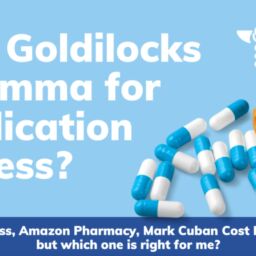
The Goldilocks Dilemma for Medication Access
There are multiple factors that will impact an individual patient’s choice on how to go about getting their prescription medication. It can be overwhelming to navigate this complex issue.

End of the Public Health Emergency Factsheet
Charitable Pharmacies of America organization member receives Health Equity grant

5 states broaden reimbursement for pharmacists
The five most recent states to expand the scope of reimbursement for pharmacists are Maryland, Missouri, North Dakota, Virginia and Wyoming

‘A big Game Changer’
Good Pill will provide direct access to hundreds of life-saving medications and save families $150+/month on healthcare cost

Enabling a Realistic Adoption to DSCSA Compliance
NABP Associate Executive Director Josh Bolin on DSCSA compliance prior to FDA moving compliance deadline.

CMM in Team-Based Care
The Outcomes of Implementing and Integrating Comprehensive Medication Management in Team-Based Care: A Review of the Evidence on Quality, Access and Costs, December 2023

Potential Funding Opportunities in Your State
Federal/state grants are not the only gateways to funding. There are close to 750 “community foundations” nationwide which are public charities dedicated to improving the lives of people in a defined local geographic area.
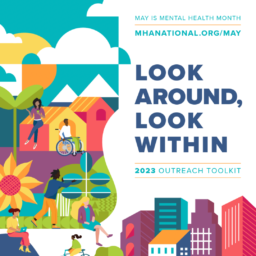
May is Mental Health Month. New awareness toolkit available
This toolkit, comprised of fact sheets, worksheets, sample communications materials, and sample social media is designed to help aid how you support your own mental health journey, along with your community’s.