NOVA ScriptsCentral is excited to collaborate with the American Pharmacist Association to launch the “NOVA ScriptsCentral & American Pharmacist Association Safety-Net Health Equity Fellowship”.
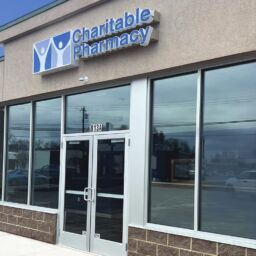
One in four Americans say they struggle to afford their prescription medications. The establishment of this Charitable Pharmacy in Milford will allow patients who live east of Cincinnati better access to care.
There are multiple factors that will impact an individual patient’s choice on how to go about getting their prescription medication. It can be overwhelming to navigate this complex issue.
Federal/state grants are not the only gateways to funding. There are close to 750 “community foundations” nationwide which are public charities dedicated to improving the lives of people in a defined local geographic area.
Medication non-adherence has led to at least 100,000 preventable deaths each year and $100 billion annually in preventable healthcare costs in the United States
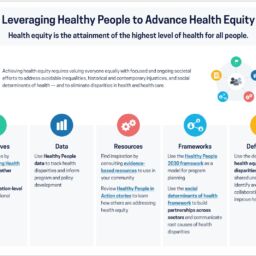
Healthy People 2030 Leveraging Healthy People to Advance Health Equity Health equity is the attainment of the highest level of health for all people. “Eliminate health disparities, achieve health equity, and attain health literacy to improve the health and well-being of all.”
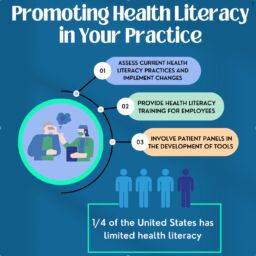
Around one fourth of the United States population does not have adequate health literacy.
Health literacy is defined as the ability to obtain, read, understand, and apply healthcare
information