


Related Posts
TAKING ON THE OPIOID OVERDOSE EPIDEMIC IN NEW JERSEY
Three Healthcare Organizations Join Forces to Save Lives
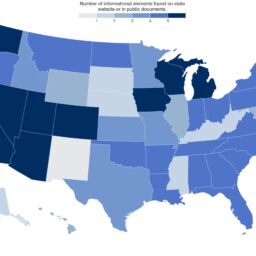
Impact of changes in Medicaid related to COVID
We estimate that if the PHE expires in April 2023, 18.0 million people will lose Medicaid coverage in the following…

Potential Funding Opportunities in Your State
Federal/state grants are not the only gateways to funding. There are close to 750 “community foundations” nationwide which are public charities dedicated to improving the lives of people in a defined local geographic area.

Updates You May Have Missed: 2020 Census Results
Today’s release of new 2020 Census data provides population counts of nearly 1,500 race and ethnicity groups and American Indian and Alaska Native (AIAN) tribes and villages.
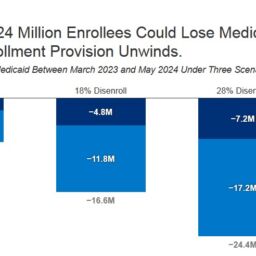
How Many People Might Lose Medicaid?
How Many People Might Lose Medicaid When States Unwind Continuous Enrollment?
The Goldilocks Dilemma for Medication Access
There are multiple factors that will impact an individual patient’s choice on how to go about getting their prescription medication. It can be overwhelming to navigate this complex issue.
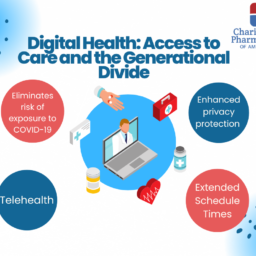
Digital Health: Access to Care and the Generational Divide
Just as banks have helped seniors bridge the digital divide and leverage online banking to better manage their money, healthcare organizations need to help older adults leverage digital technology to better manage their health.
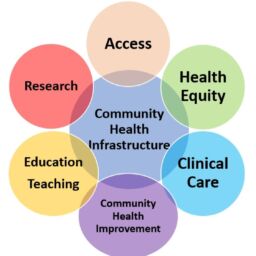
Health Equity vs Health Disparity
An opportunity for charitable pharmacies to collaborate with oncology practices for non-oncology medications during and after treatment.
SIRUM brings Non-profit Pharmacy to Illinois
Good Pill will provide direct access to hundreds of life-saving medications and save families $150+/month on healthcare cost

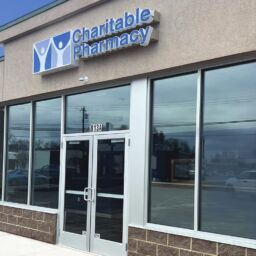
Milford SVdP Pharmacy Grand Opening
One in four Americans say they struggle to afford their prescription medications. The establishment of this Charitable Pharmacy in Milford will allow patients who live east of Cincinnati better access to care.

Medicaid Unwinding:
Implications for Patients
Implications for Patients
Once the continuous enrollment ends, it is estimated between 5 -14 million individuals will be affected

Equity in Access: Research Grants
APPLICATIONS ARE OPEN! – Letters of Intent due 9/15/23

5 states broaden reimbursement for pharmacists
The five most recent states to expand the scope of reimbursement for pharmacists are Maryland, Missouri, North Dakota, Virginia and Wyoming
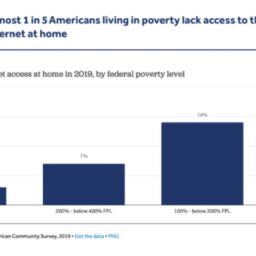
Digital Divide: Patient & Provider Perspective
The term digital divide is defined as the differences
of economic and social inequality in both access and usage of ICTs. 2, 3 Some population groups that are
affected by the digital divide include uninsured, at or below 300% of the Federal Poverty Level (FPL), lack
of internet access, etc